
7 Signs Your Walls or Ceilings Need Plaster Repair
· By Leonardo Ferreira Barbosa
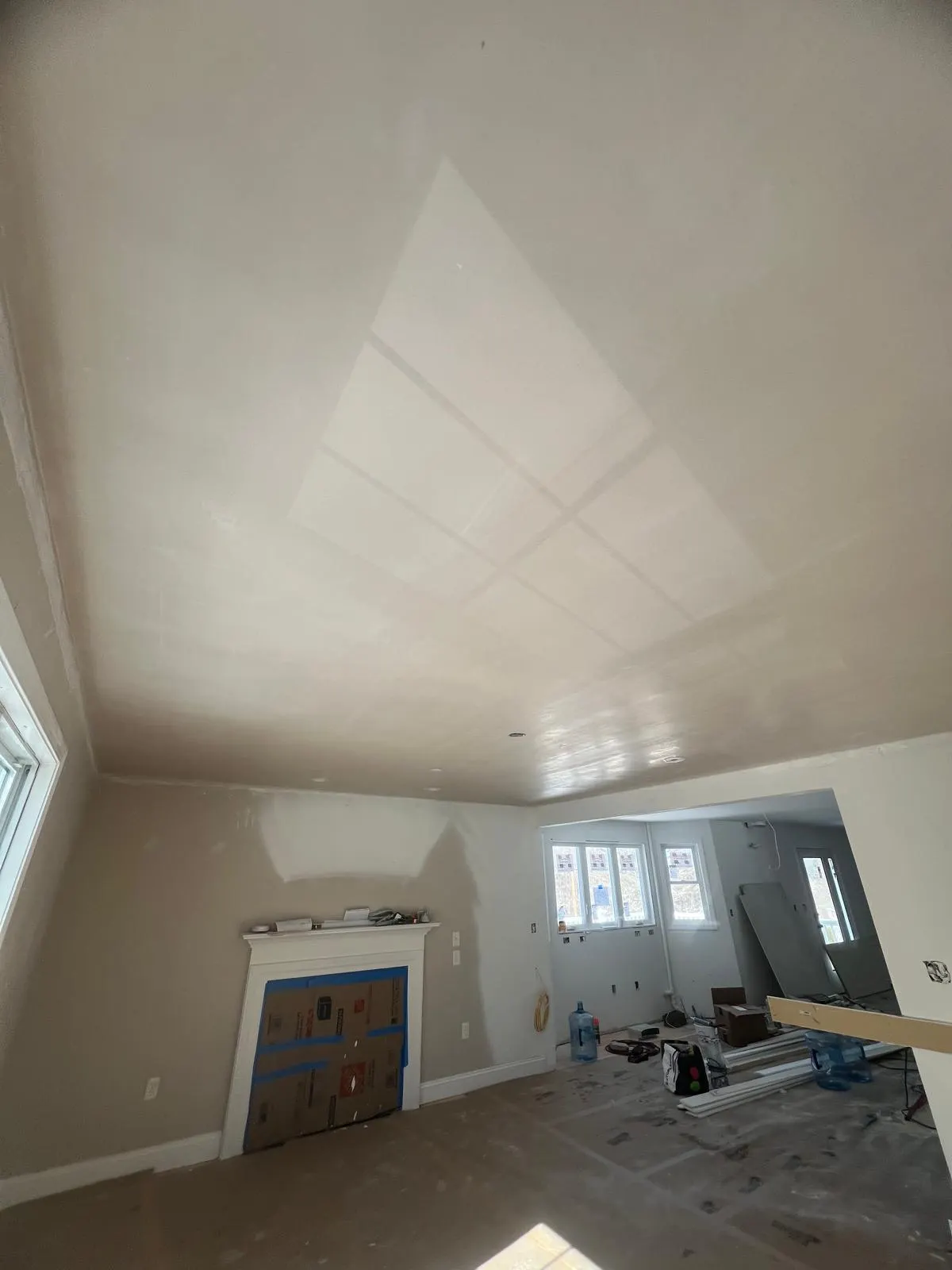
Plaster is durable, but no wall lasts forever without attention. In older homes across Greater Boston, plaster has often been holding up for many decades, and small problems can quietly grow into bigger ones.
The tricky part is that plaster problems can look cosmetic when they are actually structural, or look alarming when they are just surface-level. Knowing the difference helps you act before a hairline crack turns into a falling ceiling.
Here are seven signs your walls or ceilings need plaster repair, and what each one is really telling you.
1. Cracks that keep coming back
Fine hairline cracks are common in older plaster and are often cosmetic, caused by normal settling and seasonal movement. The concern is when a crack keeps reappearing after you fill it, or when it widens over time.
A recurring or growing crack usually means there is movement or a bond problem behind the surface that a dab of spackle will not solve. Those are the ones worth having looked at.
2. Bulging or bowing walls
If a plaster wall or ceiling looks like it is bulging out or sagging away from the framing, the plaster has likely separated from the lath behind it. Traditional plaster grips wood lath by squeezing through gaps to form "keys," and when those keys break, the plaster loses its hold.
A bulge you can see or feel is a sign the plaster is no longer firmly attached. Left alone, that section can eventually let go, especially on a ceiling.
3. A hollow sound when you tap
Gently tapping the wall can tell you a lot. Solid, well-attached plaster sounds firm. A hollow or drummy sound means there is a gap between the plaster and the lath, which is the early stage of the separation described above.
If large areas sound hollow, the plaster is detaching even if it still looks fine from the front. This is a good thing to check before repainting a room, so you are not painting over a problem.
4. Water stains and discoloration
Brown or yellow stains signal that water reached the plaster at some point. Even after the leak is fixed, water can weaken the bond and leave the plaster soft or crumbly. Stains near ceilings and around windows are especially common in older Melrose and Stoneham homes.
A stain is worth investigating both to rule out an active leak and to check whether the plaster underneath still has integrity.
5. Crumbling or powdery plaster
If touching the wall leaves chalky residue on your hand, or bits crumble away at the edge of a crack, the plaster is deteriorating. This can happen with age, moisture exposure, or a failing finish coat.
Crumbling plaster will not hold paint or a patch well, so it usually needs the loose material removed and a fresh coat applied to create a sound surface again.
6. Rough, uneven, or patchy surfaces
Sometimes the plaster is sound but the surface has become a patchwork of old repairs, texture changes, and uneven areas. This is common in homes that have had many small fixes over the years by different hands.
Skim coating can restore a smooth, uniform surface across the whole wall, which is often the difference between a room that looks tired and one that looks fresh, without a full tear-out.
7. Nail pops, popped seams, and corner damage
Popped fasteners, cracked corners, and separated seams around door and window openings are frequent trouble spots because those areas take the most stress and movement. Corners especially tend to chip and crack over time.
These are usually repairable without redoing the whole wall, but they do need proper treatment rather than just filler, so the fix holds. If you are seeing several of these signs together, a free assessment can tell you whether you need spot repairs or a full skim coat.
Frequently asked questions
- Are hairline cracks in plaster serious?
- Usually not on their own. Fine hairline cracks are often cosmetic. The concern is a crack that keeps returning after being filled or one that widens over time, which can point to movement or a bond problem behind the surface.
- What does it mean if my plaster wall sounds hollow?
- A hollow or drummy sound means there is a gap between the plaster and the lath behind it. That gap indicates the plaster is starting to separate, which is worth addressing before it lets go, especially on a ceiling.
- Can crumbling plaster be repaired, or does it need replacing?
- Often it can be repaired. Loose, powdery material is removed and a fresh coat is applied to create a sound surface. Whether spot repair or a full skim coat is best depends on how widespread the deterioration is.
- Do I need to redo the whole wall for a few cracks?
- Not usually. Isolated cracks, popped seams, and corner damage can often be repaired individually. A skim coat comes into play when the surface is broadly rough or patchy and you want a uniform finish.
Related services
Serving
Found this helpful? Make us a preferred source on Google.
Ready for an exact price?
Get a free, no-pressure in-home estimate. Real numbers for your home, not a phone guess.