
Plaster vs Drywall: Which Is Right for Your Boston-Area Home?
· By Leonardo Ferreira Barbosa
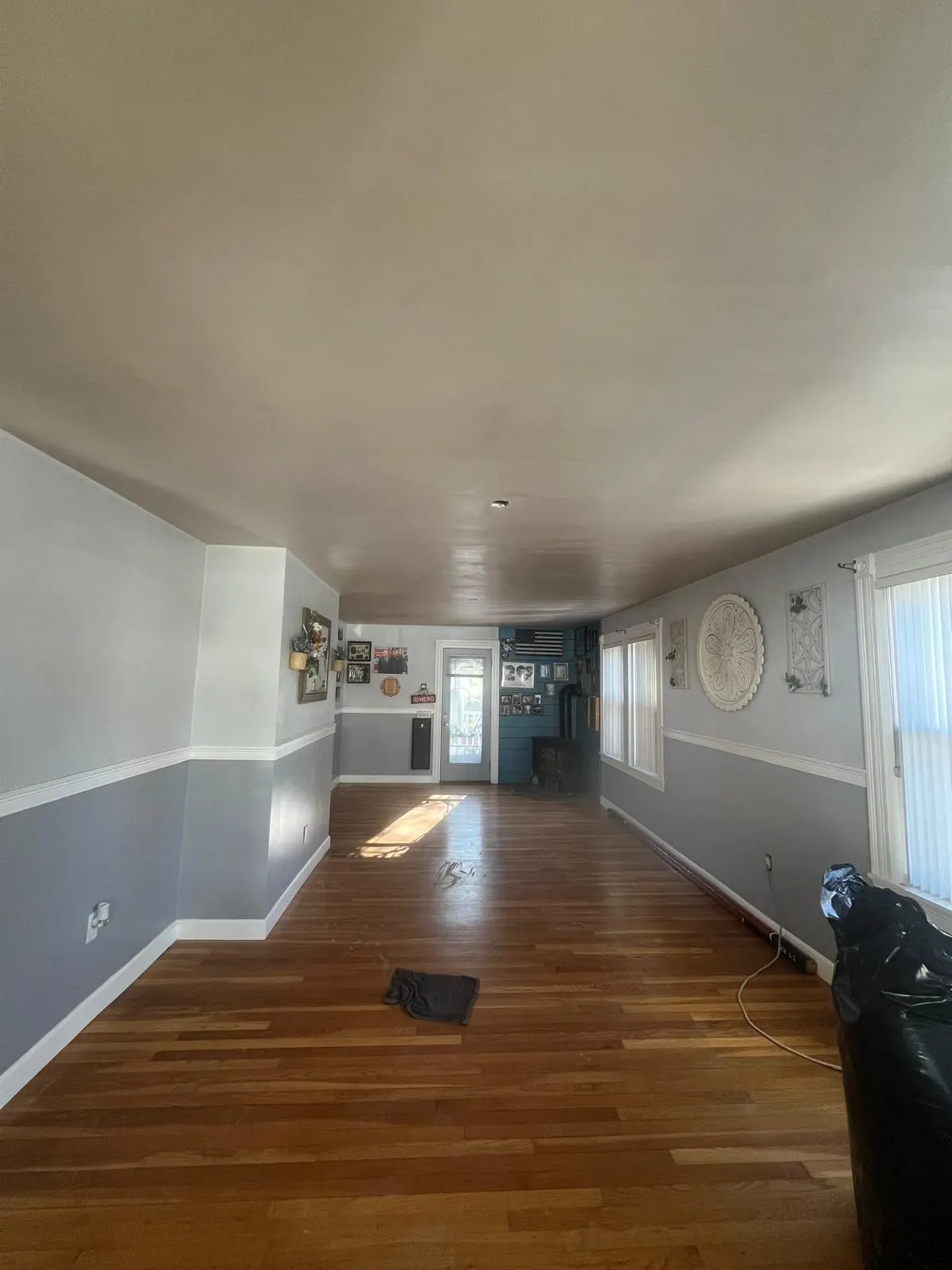
Walk into two homes in the same Somerville neighborhood and you might find two completely different wall systems behind the paint. One has traditional plaster, the other has drywall. Both can look great, but they behave very differently when it comes to durability, repair, and cost.
If you are renovating or building, choosing between plaster and drywall is one of the earlier decisions you will make, and it affects everything from your budget to how the finished room sounds and feels.
This guide breaks down the real differences so you can decide which system fits your Boston-area home, whether it is a 1900s triple-decker or a brand-new addition.
What plaster and drywall actually are
Traditional plaster is applied wet, in layers, over a base such as wood lath or, in modern systems, a special blueboard. It hardens into a dense, seamless surface. Many older homes across Malden, Medford, and Cambridge still have this kind of wall.
Drywall, sometimes called sheetrock, comes in large factory-made panels that are screwed to the framing, then taped and coated at the seams. It goes up faster and is the standard in most new construction today.
Modern blueboard and veneer plaster sits in the middle: it hangs like drywall but gets a thin, hand-applied plaster finish coat, giving you a plaster surface with a faster installation.
Durability and feel
Plaster is harder and denser than standard drywall, so it resists dents and dings better and does a better job dampening sound between rooms. In an older home, it is part of what gives the walls their solid, quiet feel.
Drywall is softer and easier to puncture, but it is also far easier and cheaper to patch when that happens. A doorknob hole in drywall is a quick fix, while the same damage in plaster takes more skill to repair invisibly.
Cost differences
Standard drywall is usually the more economical choice, mostly because it installs quickly and needs less specialized labor. For a new basement, garage, or addition, it is often the practical pick.
Plaster and veneer plaster systems typically cost more because they require a skilled plasterer and more steps. Homeowners choose them for the harder surface, the seamless look, and the way they blend into an older house. Exact pricing depends on the space, so a free on-site estimate is the best way to compare the two for your project.
Matching an older home
One of the most common reasons Boston-area homeowners keep plaster is consistency. If most of the house is plaster and you patch one wall with plain drywall, the difference in surface texture and hardness can show, especially in raking light.
For renovations in older neighborhoods, veneer plaster over blueboard is a popular middle path. It matches the character of existing plaster walls while installing more quickly than traditional three-coat plaster.
Repairs down the road
Every wall eventually needs a repair, and the two systems age differently. Drywall cracks are usually simple to retape and skim. Plaster can develop cracks or areas that pull away from the lath over time, which take more experience to fix without leaving a patch that stands out.
The good news is that both are repairable. Cracked plaster does not automatically mean tearing out the wall. Skim coating and proper crack repair can restore a smooth surface without gutting the room.
So which should you choose?
For most new spaces where budget and speed matter, drywall is the sensible default. For an older home where you want to preserve the character and hardness of the original walls, plaster or veneer plaster is often worth the extra cost.
The best answer depends on your home, your budget, and how the new work needs to blend with what is already there. A walkthrough of the space is the surest way to land on the right system.
Frequently asked questions
- Is plaster better than drywall?
- Neither is simply better. Plaster is harder, more soundproof, and blends into older homes, while drywall is faster, cheaper, and easier to repair. The right choice depends on your home and budget.
- Can I put drywall over old plaster?
- Sometimes, but it is not always the best answer. If most of the house is plaster, matching with veneer plaster usually gives a more seamless result. A contractor should assess the existing wall condition first.
- Which is cheaper to install?
- Standard drywall is usually the more economical option because it installs quickly with less specialized labor. Plaster and veneer plaster typically cost more but deliver a harder, more seamless surface.
- Do most older Boston homes have plaster?
- Many do. A large share of the older housing stock in areas like Cambridge, Somerville, and Medford was built with lath-and-plaster walls, which is why matching new work to plaster comes up so often here.
Related services
Serving
Found this helpful? Make us a preferred source on Google.
Ready for an exact price?
Get a free, no-pressure in-home estimate. Real numbers for your home, not a phone guess.