
Plastering and Drywall in Cambridge, MA: A Homeowner's Guide
· By Leonardo Ferreira Barbosa
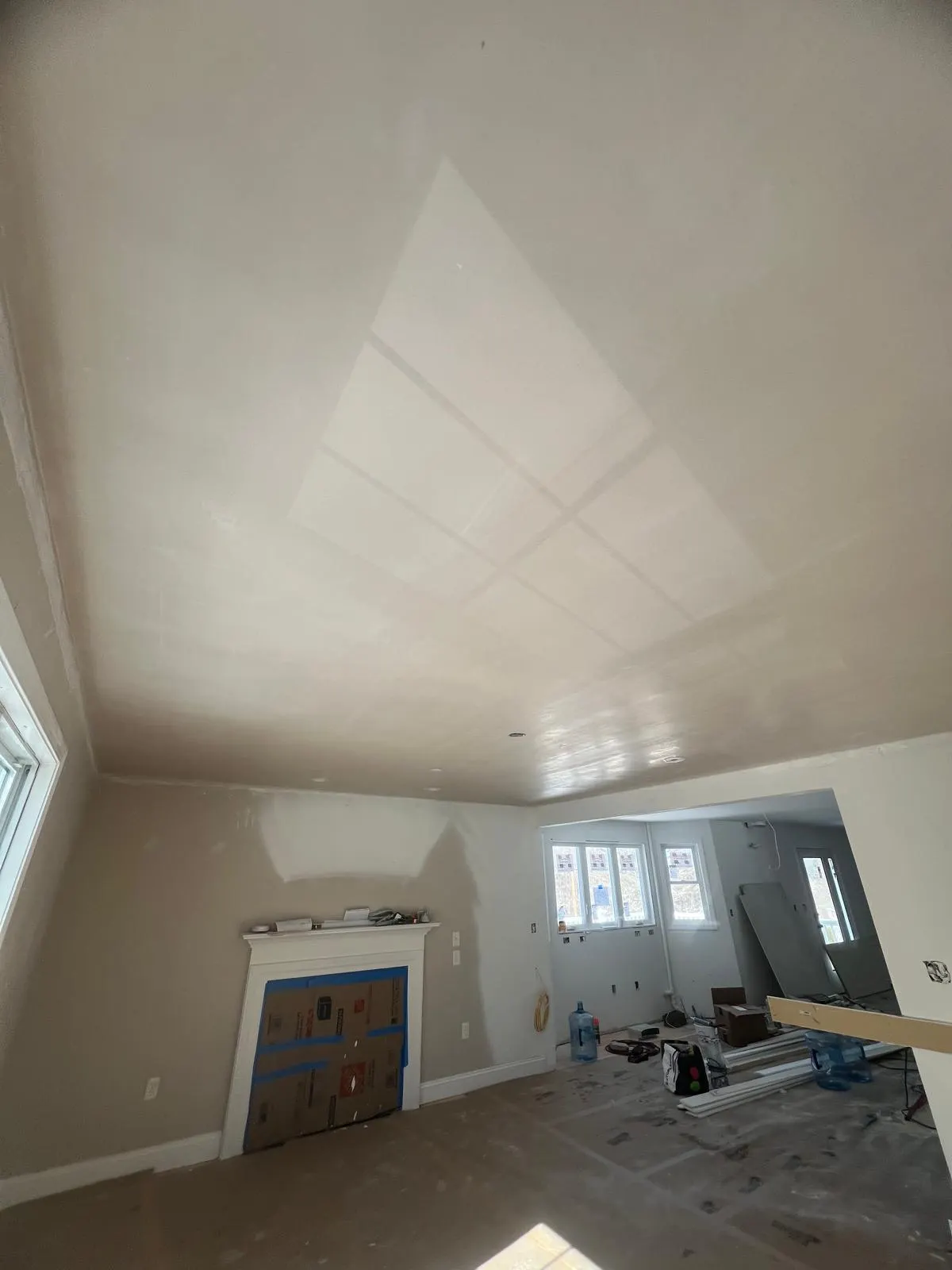
Cambridge is a city of old houses. From the Victorians near Harvard Square to the multi-families around Porter Square and Inman, much of the housing stock was built long before drywall existed. That history shapes almost every wall and ceiling repair in the city.
If you own a home in Cambridge, chances are good that your walls are lath-and-plaster, and that any wall work needs to respect that. Understanding what you have makes it far easier to plan a repair or renovation that actually looks right.
This guide covers what Cambridge homeowners should know about plaster and drywall, from the character of the local housing to the practical realities of working in these homes.
Cambridge's older housing stock
Large parts of Cambridge were built in the late 1800s and early 1900s, and many of those homes still have their original lath-and-plaster walls. You see this across the neighborhoods, from stately homes near Harvard Square to the dense residential streets around Porter Square and Central.
These walls are part of what gives an old Cambridge home its solid, quiet feel. They are also decades old, which means cracks, settling, and past repairs are common. The goal in most projects is to preserve that character while bringing the surfaces back to life.
Why matching plaster matters here
In a home that is mostly plaster, patching a wall with plain drywall can leave a visible difference in hardness and texture, especially under the raking light common in rooms with tall old windows. That is why matching new work to existing plaster is such a frequent concern in Cambridge.
Veneer plaster over blueboard is a popular solution. It installs faster than traditional plaster but delivers a plaster surface that blends with the original walls, so a repaired or renovated room does not stand out from the rest of the house.
Common issues in older Cambridge homes
Cracks are the most common complaint, and in old plaster they range from harmless hairlines to signs that the plaster has separated from the lath. A hollow sound when you tap the wall often points to that separation, which needs more than surface filler.
Water damage from old roofs and plumbing is another frequent issue, particularly on top-floor ceilings and around windows. And decades of small repairs leave many walls in a patchy state that a skim coat can unify beautifully.
Renovations and additions
When Cambridge homeowners renovate a kitchen, finish an attic, or build an addition, they face the question of drywall versus plaster for the new space. For a completely new area, drywall is often practical, but where the new work meets old plaster, blending matters.
A thoughtful approach uses the right system for each situation: efficient drywall where it makes sense, and veneer plaster where the new surface needs to disappear into the original walls. The finishing level also matters in rooms with the bright natural light these homes often have.
Working in occupied, tightly packed homes
Cambridge homes are often close together, with limited parking and tight interior spaces. That makes dust control, floor protection, and tidy daily cleanup especially important, since you may be living in the home while work happens.
A crew that plans for these realities, protecting floors and containing dust, makes a real difference in an occupied Cambridge home. It is one of the things worth asking about before work begins.
Planning your project
The best first step is an in-person assessment. Because so much depends on the condition of the existing plaster, a walkthrough tells you far more than any online estimate can, and it lets a contractor recommend the right mix of repair, skim coating, or new plaster.
Whether you are fixing a cracked ceiling near Harvard Square or renovating a whole floor in Porter Square, a free estimate is the surest way to get a plan and a price built around your specific Cambridge home.
Frequently asked questions
- Do most homes in Cambridge have plaster walls?
- Many do. A large share of Cambridge homes were built before drywall was common, so lath-and-plaster walls are widespread, especially in older neighborhoods like Harvard Square and Porter Square.
- Can I repair plaster walls with regular drywall?
- You can, but in a mostly-plaster home the patch may show a difference in hardness and texture under certain light. Veneer plaster over blueboard usually blends far better with the original walls.
- Why do old Cambridge homes get so many cracks?
- Decades of settling, seasonal movement, and aging lath all contribute. Most hairline cracks are cosmetic, but recurring or widening cracks, or a hollow sound when tapped, can mean the plaster has separated from the lath.
- How do I get a price for plaster or drywall work in Cambridge?
- Book a free in-person estimate. Because so much depends on the condition of the existing plaster, a walkthrough gives a far more accurate plan and price than any online calculator.
Related services
Serving
Found this helpful? Make us a preferred source on Google.
Ready for an exact price?
Get a free, no-pressure in-home estimate. Real numbers for your home, not a phone guess.